Academics

Our Success
We’re proud of our program’s strong academic curriculum, which has resulted in a 100 percent board pass rate since 2012. Our graduates become confident family physicians with a broad range of experience and knowledge.
You are just about to enter a carousel of images of 2 slides.
You are just about to enter a carousel of images of 2 slides.
Academic Days
Academic days are held on Wednesday mornings to prepare our learners for the most challenging cases in the ever-evolving field of medicine. We strive to instill a culture of lifelong learning and welcome experienced speakers to lecture on the latest research and best practices in their respective fields.
Our workshops provide hands-on, longitudinal training and skill refreshers. Interactive board review complements resident self-study, reinforcing our continued 100 percent board pass rate. Academic days also offer opportunities for residents to present research, debate morbidity and mortality cases, and participate in regular wellness days.
Our workshops provide hands-on, longitudinal training and skill refreshers. Interactive board review complements resident self-study, reinforcing our continued 100 percent board pass rate. Academic days also offer opportunities for residents to present research, debate morbidity and mortality cases, and participate in regular wellness days.
You are just about to enter a carousel of images of 2 slides.
Research and Scholarly Activity
Our program is committed to supporting resident scholarship through dedicated research time, faculty mentorship, and structured guidance.
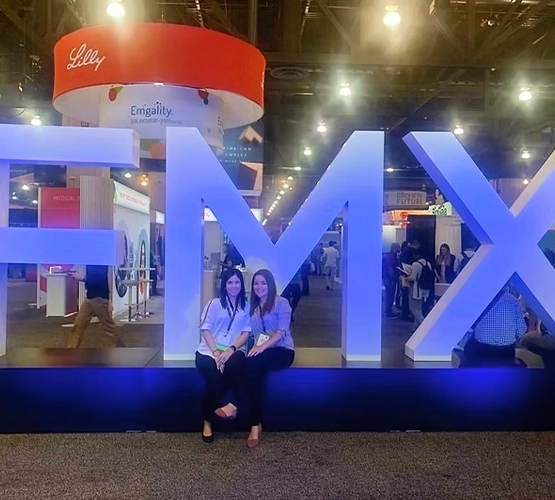
Residents are provided with a total of eight weeks of protected research time throughout residency, including six weeks of a dedicated curriculum during PGY-2 and two weeks during PGY-3. This dedicated time allows residents to develop, implement, and complete scholarly projects while meeting ACGME scholarly activity requirements.
Faculty mentors and program leadership provide guidance throughout the process, helping residents identify meaningful projects, navigate research and quality improvement methodologies, prepare presentations, and pursue publication opportunities.
Our residents’ research has been widely published, and they have presented at regional and national conferences, including:
Residents are provided with a total of eight weeks of protected research time throughout residency, including six weeks of a dedicated curriculum during PGY-2 and two weeks during PGY-3. This dedicated time allows residents to develop, implement, and complete scholarly projects while meeting ACGME scholarly activity requirements.
Faculty mentors and program leadership provide guidance throughout the process, helping residents identify meaningful projects, navigate research and quality improvement methodologies, prepare presentations, and pursue publication opportunities.
Our residents’ research has been widely published, and they have presented at regional and national conferences, including:
- American Academy of Family Physicians (AAFP)
- Florida Academy of Family Physicians (FAFP)
- American Medical Society for Sports Medicine (AMSSM)
You are just about to enter a carousel of images of 2 slides.
You are just about to enter a carousel of images of 2 slides.
Family Medicine Inpatient Rounds
Our inpatient team is led exclusively by family medicine faculty who provide impromptu teaching based on clinical cases. They also coordinate daily student-led and resident-led instruction. The inpatient census frequently serves as a foundation for scholarly activity.
You are just about to enter a carousel of images of 2 slides.
POCUS Curriculum
Point-of-Care Ultrasound (POCUS) is becoming an increasingly valuable tool in Family Medicine, and our residency program is actively integrating a longitudinal POCUS curriculum into resident education.
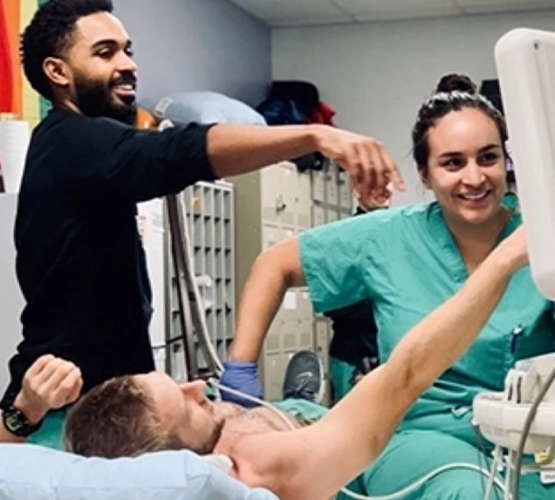
Residents receive hands-on instruction and supervised scanning experiences designed to build competency in bedside ultrasound applications relevant to both inpatient and outpatient practice. The curriculum incorporates didactic sessions, image acquisition training, clinical integration, and opportunities for skill development throughout residency. As our curriculum continues to expand, residents will gain experience using POCUS to enhance diagnostic accuracy, procedural guidance, and patient care.
Residents receive hands-on instruction and supervised scanning experiences designed to build competency in bedside ultrasound applications relevant to both inpatient and outpatient practice. The curriculum incorporates didactic sessions, image acquisition training, clinical integration, and opportunities for skill development throughout residency. As our curriculum continues to expand, residents will gain experience using POCUS to enhance diagnostic accuracy, procedural guidance, and patient care.
Support Groups
Our Success
We’re proud of our program’s strong academic curriculum, which has resulted in a 100 percent board pass rate since 2012. Our graduates become confident family physicians with a broad range of experience and knowledge.
You are just about to enter a carousel of images of 2 slides.
Academic Days
Academic days are held on Wednesday mornings to prepare our learners for the most challenging cases in the ever-evolving field of medicine. We strive to instill a culture of lifelong learning and welcome experienced speakers to lecture on the latest research and best practices in their respective fields.
Our workshops provide hands-on, longitudinal training and skill refreshers. Interactive board review complements resident self-study, reinforcing our continued 100 percent board pass rate. Academic days also offer opportunities for residents to present research, debate morbidity and mortality cases, and participate in regular wellness days.
Our workshops provide hands-on, longitudinal training and skill refreshers. Interactive board review complements resident self-study, reinforcing our continued 100 percent board pass rate. Academic days also offer opportunities for residents to present research, debate morbidity and mortality cases, and participate in regular wellness days.
You are just about to enter a carousel of images of 2 slides.
Research and Scholarly Activity
Our program is committed to supporting resident scholarship through dedicated research time, faculty mentorship, and structured guidance.
Residents are provided with a total of eight weeks of protected research time throughout residency, including six weeks of a dedicated curriculum during PGY-2 and two weeks during PGY-3. This dedicated time allows residents to develop, implement, and complete scholarly projects while meeting ACGME scholarly activity requirements.
Faculty mentors and program leadership provide guidance throughout the process, helping residents identify meaningful projects, navigate research and quality improvement methodologies, prepare presentations, and pursue publication opportunities.
Our residents’ research has been widely published, and they have presented at regional and national conferences, including:
Residents are provided with a total of eight weeks of protected research time throughout residency, including six weeks of a dedicated curriculum during PGY-2 and two weeks during PGY-3. This dedicated time allows residents to develop, implement, and complete scholarly projects while meeting ACGME scholarly activity requirements.
Faculty mentors and program leadership provide guidance throughout the process, helping residents identify meaningful projects, navigate research and quality improvement methodologies, prepare presentations, and pursue publication opportunities.
Our residents’ research has been widely published, and they have presented at regional and national conferences, including:
- American Academy of Family Physicians (AAFP)
- Florida Academy of Family Physicians (FAFP)
- American Medical Society for Sports Medicine (AMSSM)
You are just about to enter a carousel of images of 2 slides.
Family Medicine Inpatient Rounds
Our inpatient team is led exclusively by family medicine faculty who provide impromptu teaching based on clinical cases. They also coordinate daily student-led and resident-led instruction. The inpatient census frequently serves as a foundation for scholarly activity.
You are just about to enter a carousel of images of 2 slides.
POCUS Curriculum
Point-of-Care Ultrasound (POCUS) is becoming an increasingly valuable tool in Family Medicine, and our residency program is actively integrating a longitudinal POCUS curriculum into resident education.
Residents receive hands-on instruction and supervised scanning experiences designed to build competency in bedside ultrasound applications relevant to both inpatient and outpatient practice. The curriculum incorporates didactic sessions, image acquisition training, clinical integration, and opportunities for skill development throughout residency. As our curriculum continues to expand, residents will gain experience using POCUS to enhance diagnostic accuracy, procedural guidance, and patient care.
Residents receive hands-on instruction and supervised scanning experiences designed to build competency in bedside ultrasound applications relevant to both inpatient and outpatient practice. The curriculum incorporates didactic sessions, image acquisition training, clinical integration, and opportunities for skill development throughout residency. As our curriculum continues to expand, residents will gain experience using POCUS to enhance diagnostic accuracy, procedural guidance, and patient care.