Jackson Health System Pharmacy Residency Programs
Clinical Pharmacy Services
Jackson Health System pharmacists practice in a unique setting that enables them to fully utilize their professional knowledge and pharmaceutical care skills. They enjoy a multicultural, multidisciplinary practice environment and are well respected members of the health care team.
The Residency Experience
Pharmacy residents develop their pharmaceutical care skills, including problem-solving strategies, professional maturity and clinical judgment, through daily interaction with experienced preceptors in different areas of practice. Residents spend at least one month in each of the required and elective rotations. A number of elective rotations in different areas of practice are available. Residents are involved in various departmental activities designed to refine the knowledge, skills and attitudes needed to pursue optimal medication therapy outcomes. Pharmacists completing our residency programs will be competent and confident practitioners of pharmaceutical care in multiple health care environments. They will be accountable for achieving optimal drug therapy outcomes as members of the health care team. These pharmacists will exercise skills in educating other health care professionals, patients and the community on drug related topics. They will demonstrate professional maturity by following a personal philosophy of practice, monitoring their own performance and exhibiting commitment to the profession.
Clinical Pharmacy Services
Jackson Health System pharmacists practice in a unique setting that enables them to fully utilize their professional knowledge and pharmaceutical care skills. They enjoy a multicultural, multidisciplinary practice environment and are well respected members of the health care team.
The Residency Experience
Pharmacy residents develop their pharmaceutical care skills, including problem-solving strategies, professional maturity and clinical judgment, through daily interaction with experienced preceptors in different areas of practice. Residents spend at least one month in each of the required and elective rotations. A number of elective rotations in different areas of practice are available. Residents are involved in various departmental activities designed to refine the knowledge, skills and attitudes needed to pursue optimal medication therapy outcomes. Pharmacists completing our residency programs will be competent and confident practitioners of pharmaceutical care in multiple health care environments. They will be accountable for achieving optimal drug therapy outcomes as members of the health care team. These pharmacists will exercise skills in educating other health care professionals, patients and the community on drug related topics. They will demonstrate professional maturity by following a personal philosophy of practice, monitoring their own performance and exhibiting commitment to the profession.
Fast Facts
Duration of Residency
1 year
Postgraduate Training Required
PGY1 required to obtain PGY2
Leave
Vacation, Sick, Education, Holidays
Medical and Dental Insurance
Effective date of hire
Pharmacy Residency Programs
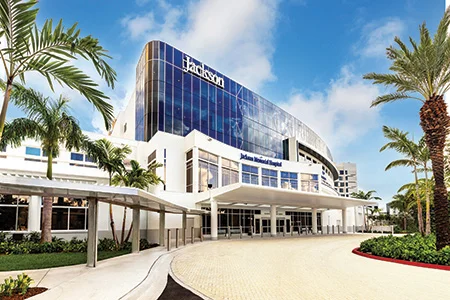
Jackson Memorial Hospital Pharmacy Residency Programs
Marta A Miyares, PharmD, BCPS, BCCP, CACP
PGY1 Pharmacy Resident Program Director
Email: [email protected]
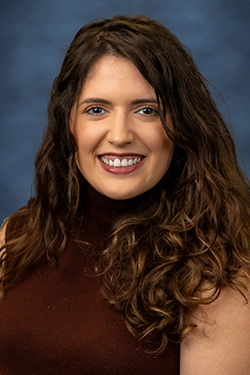
Alyssa Magan, PharmD, BCCCP
PGY2 Critical Care Pharmacy Residency Program Director
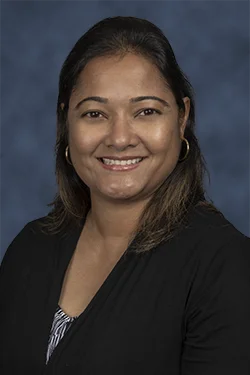
Nafeesa Chin-Beckford, PharmD, BCIDP
PGY2 Infectious Disease Pharmacy Residency Program Director

Ruben Santiago, PharmD, BCPS, BCCCP, BCEMP
PGY2 Emergency Medicine Pharmacy Residency Program Director
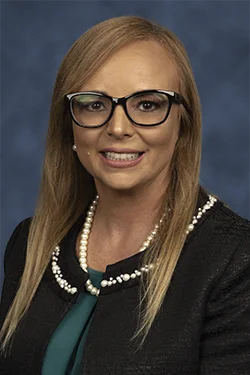
Venessa Goodnow, PharmD, MBA, FASHP, FFSHP, CPh
PGY2 Health System Administration & Leadership Residency Program Director
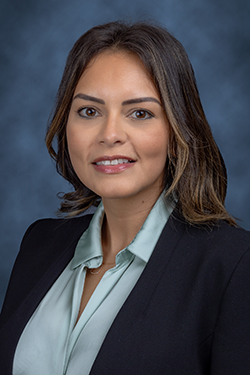
Pierina Cabrera-Rios, PharmD, BCTXP
PGY2 Solid Organ Transplant Pharmacy Residency Program Director
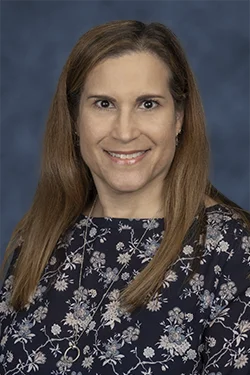
Adult Acute Care
Internal Medicine/Anticoagulation
Marta A. Miyares, PharmD, BCPS, BCCP, CACP
Education: Nova Southeastern University
Residency Training: Miami Veteran’s Administration Medical Center
Internal Medicine/Clinical Immunology
Nafeesa Chin-Beckford, PharmD, BCIDP
Education: University of Florida
Residency Training: Jackson Memorial Hospital
Internal Medicine/Hospitalists
Anupha Mathew, PharmD, BCPS
Education: Nova Southeastern University
Residency Training: MUSC (PGY1) and MUSC (PGY2 Internal Medicine)
Internal Medicine/Hospitalists
Carlos Bermudez, PharmD
Education: Nova Southeastern University
Residency Training: Sarasota Memorial Hospital
Cardiology
Mariluz Sanchez, PharmD, BCPS
Education: University of Puerto Rico and Nova Southeastern University
Residency Training: San Juan VA Medical Center (Ambulatory Care)
Solid Organ Transplant
Margaret Fernandez, PharmD, BCPS, BCCCP
Transplant Pharmacist Heart & LVAD
Education: Nova Southeastern University Pharmacy School
Residency Training: Jackson Memorial Hospital (PGY1)
Diana Vega, PharmD
Education: Binghamton University School of Pharmacy
Residency Training: Westchester Medical Center Health Network (PGY1); Jackson Memorial Hospital (PGY2)
Pierina Cabrera-Rios, PharmD, BCTXP
Education: Nova Southeastern University
Residency Training: Jackson Memorial Hospital (PGY1/PGY2 Transplant)
Teresamari Pastrana Camacho, PharmD, BCPS, BCTXP
Transplant Pharmacist Heart-Lung and Liver-GI
Education: University of Puerto Rico Pharmacy School
Residency Training: Ochsner Medical Center (PGY1) and Ohio State University (PGY2 Transplant)
Brianna North, PharmD, BCIDP
Education: University of South Florida
Residency Training: AdventHealth Orlando (PGY1) and Jackson Memorial Hospital (PGY2 Infectious Diseases)
Janira Cabrera Martinez, PharmD
Education: Nova Southeastern University
Residency Training: Jackson North Medical Center (PGY1) and Jackson Memorial Hospital (PGY2 Transplant)
Naomi Pierre, PharmD, BCTXP
Education: University of Florida
Residency Training: Cleveland Clinic Weston, Florida (PGY1) and Mayo Clinic (Jacksonville, Florida) (PGY2 transplant)
Hematology/Oncology
Marcos E. Viera, PharmD
Education: Nova Southeastern University
Residency Training: Miami Veterans Administration Medical Center
Charlotte Martin, PharmD, BCOP
Education: University of Florida
Residency Training: University of Toledo Medical Center (PGY1); Henry Ford Health (PGY2)
Emergency Medicine
Ruben Santiago, PharmD, BCPS, BCCCP, BCEMP Emergency Department
Education: Nova Southeastern University
Residency Training: The Ohio State University Wexner Medical Center (PGY2 Emergency Medicine)
Kelly McKinley, PharmD Emergency Medicine
Education: Medical University of South Carolina
Residency Training: Jackson Memorial Hospital (PGY1/ PGY2 in Emergency Medicine)
James Krenz, PharmD
Education: Purdue University
Residency Training: Massachusetts General Hospital (PGY1 and PGY2 in Emergency Medicine)
Critical Care
Mayela Castillo, PharmD, BCPS, BCCCP Surgical ICU
Education: Nova Southeastern University
Residency Training: Jackson Memorial Hospital and St. Luke’s Episcopal (PGY2 Critical Care)
Valerie Hernandez, PharmD Trauma ICU
Education: University of Florida
Residency Training: Jackson Memorial Hospital (PGY1 and PGY2 Critical Care)
Gina Riggi, PharmD, BCPS, BCCCP
Education: Nova Southeastern University
Residency Training: Tampa General Hospital and Jackson Memorial Hospital (PGY2 Critical Care)
Alyssa Magan, PharmD, BCCCP
Education: Rutgers University: Ernest Mario School of Pharmacy
PGY-1 Hackensack University Medical Center
PGY-2 Critical Care Jackson Memorial Hospital Cardiovascular ICU
Ashling Garthwaite, PharmD, BCCCP
Education: Thomas Jefferson University PGY-1 ChristianaCare, Newark, DE
PGY-2 Critical Care ChristianaCare, Newark, DE Intermediate Medical Care Unit
Caitlyn Lawrence, PharmD, BCCCP
Education: University of Florida
Residency: Advent Health (Pharmacy Practice), Jackson Memorial Hospital (PGY-2 Critical Care)
Rotation: Neurosciences ICU
Nutrition Support
Giselle Amago, PharmD
Education: University of Florida
Residency Training: Miami Veteran’s Administration Medical Center
Infectious Diseases
Kailynn DeRonde, PharmD, BCIDP
Education: University of Colorado Skaggs School of Pharmacy and Pharmaceutical Sciences
Residency Training: Children’s Hospital Colorado (PGY1 in Pediatrics) and Connecticut Children’s Medical Center/University of Connecticut (PGY2 in Infectious Diseases)
Brianna North, PharmD, BCIDP
Education: University of South Florida
Residency Training: AdventHealth Orlando (PGY1) and Jackson Memorial Hospital (PGY2 Infectious Diseases)
Julio Simon, PharmD, BCPS, BCIDP Education: Nova Southeastern University
Residency Training: Jackson Memorial Hospital (PGY1) and PGY2 (Infectious Diseases)
Christine A. Vu, PharmD, BCPS, BCIDP
Education: University of California, San Francisco (UCSF) Residency Training: Boston Medical Center (PGY1)
The Mount Sinai Hospital (PGY2 in Infectious Diseases)
Ana Vega, PharmD, BCIDP
Education: Nova Southeastern University Residency Training:
University of Maryland Medical Center – PGY1
University of Maryland School of Pharmacy – PGY2 in Infectious Diseases
Rehabilitation/Geriatrics
Rhoda Musyoka, PharmD, CACP
Education: Florida Agricultural & Mechanical University,
Residency Training: Advent Health Sebring (PGY1) and Baptist Hospital of Miami (PGY2 cardiology)
Administration
Venessa Goodnow, PharmD, MBA, FASHP, FFSHP, CPh
AVP & Chief Pharmacy Officer
Education: Nova Southeastern University
Residency Training: New England Medical Center (Pharmacy Practice)
Karen Pasternac, MSW, PharmD
Director of Pharmacy – Operations
Education: Nova Southeastern University
Residency Training: Jackson Memorial Hospital (PGY1)
Brad Robinson PharmD, MBA
Assistant Director of JMH Operations
Education: Midwestern University-Glendale
Steven Nemeroff, PharmD
Director of Ambulatory Care Pharmacy Services
Education: Nova Southeastern University
Ennie Cano, PharmD, BCPS, BCCCP
Director of Pharmacy – Clinical Services Education: Duquesne University
Residency Training: Jackson Memorial Hospital (PGY1 and PGY2 Critical Care)
Emilio Perez PharmD, BCPS, CPh
Pediatric Pharmacy Manager
Education: Nova Southeastern University
PGY1: University of Illinois at Chicago
Ambulatory Care Rotations
Anticoagulation Outpatient Clinic
Kelvin Trocard, PharmD
Education: Florida A&M University
Residency Training: North Carolina Baptist Hospital (Pharmacy Practice)
Jennifer Miles, PharmD, CPh, BCACP, BCMTMS, LSSGB
Education: Nova Southeastern University
Residency: Miami VA Medical Center
Wanda Cortes, PharmD Education: University of Florida
Residency Training: James Haley Veteran’s Administration Hospital (PGY2 Ambulatory Care)
Pediatric Rotations
Pediatric Hematology Oncology/Pediatric Bone Marrow Transplant
Joicy Estevez, PharmD, BCPPS
Education: Nova Southeastern University
Pediatric Emergency Medicine
Nicole McElroy, PharmD, BCPPS, DABAT
Education: Ohio Northern University
Residency Training: Children’s Hospital of Philadelphia (PGY1 and PGY2 Pediatric Pharmacy)
Pediatric Critical Care/Pediatric Cardiac Critical Care
Kathy Nixon, PharmD, BCPPS
Education: University of Florida
Pediatric Solid Organ Transplant
Michelle Perez, PharmD, BCPPS
Education: University of Michigan
Residency Training: Miami Veteran’s Administration Medical Center (PGY1)
Neonatal Critical Care
Kirsten Fals, PharmD
Education: University of Florida
Residency Training: Jackson Memorial Hospital (PGY1); Holtz Children’s Hospital (PGY2)
Neonatal Critical Care
Nancy Simon, PharmD
Education: Nova Southeastern University
Residency Training: Miami Veteran’s Administration Medical Center (PGY1)
Pain and Palliative Care
Matthew Hermenau, PharmD
Education: University of Rhode Island College of Pharmacy
Residency Training: VA Medical Center in Providence, RI and UF Jacksonville (Pain and Palliative Care)
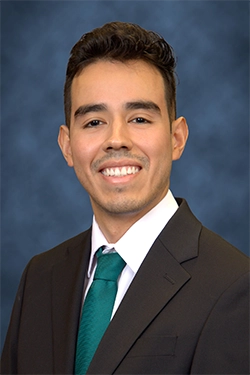
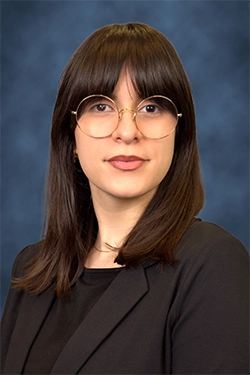
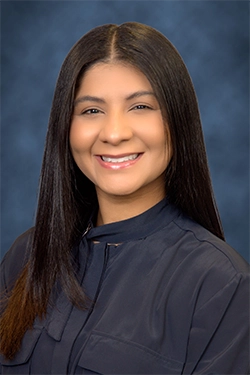

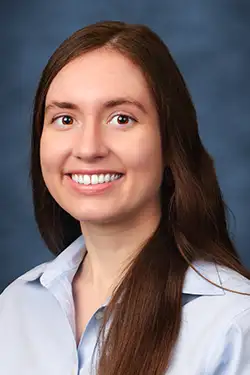
MacKenzie Gaitens, PharmD
Critical Care Pharmacy Resident, Education: University of Florida.
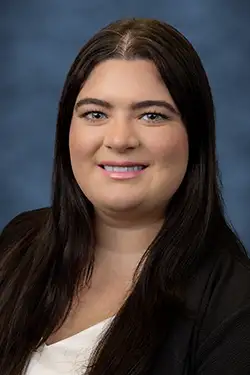
Julia Hetzel, PharmD
Emergency Medicine Pharmacy Resident, Education: University of Florida.
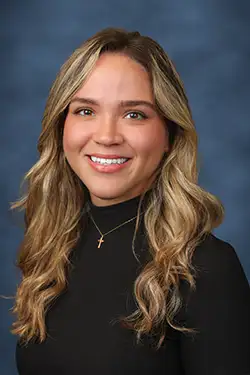
Aitana Valdes, PharmD
Solid Organ Transplant Pharmacy Resident, Education: Nova Southeastern University.
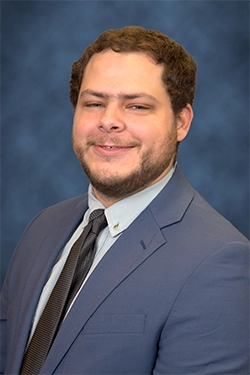
Nathan Johns, PharmD
Infectious Diseases Pharmacy Resident, Education: Nova Southeastern University.
PGY1 Pharmacy Residency Program Overview
The postgraduate year one (PGY1) pharmacy residency program is a one-year, American Society of Health Systems Pharmacists (ASHP) accredited program that builds on Doctor of Pharmacy education and outcomes to contribute to the development of clinical pharmacists responsible for medication-related care of patients with a wide range of conditions, eligible for board certification, and eligible for postgraduate year two (PGY2) pharmacy residency training.
Required Rotations (four weeks)
The core required rotations include:
- Orientation
- Adult Internal Medicine
- Critical care
- Medical
- Surgical
- Cardiothoracic surgical
- Thoracic
- Neuroscience
- Trauma/Burn
- Infectious diseases
- Pediatrics
- Critical care
- Transplant
- Oncology
- Administration
- Ambulatory care
- Clinical immunology (HIV)
- General Medicine and Ancillary Pharmacy Services
Elective Rotations (four weeks)
- Emergency Medicine
- Hematology/Oncology – Inpatient
- Hematology/Oncology – Outpatient
- Pain Stewardship
- Pediatrics
- Pediatric Infectious Diseases
- Psychiatry
- Rehabilitation
- Transplant – Liver and GI
- Transplant – Kidney and Kidney -Pancreas Surgery
- Any previous rotation that is in a different subspecialty
Required Longitudinal Rotations:
- Anticoagulation Stewardship On-Call Program – 2 to 3 days per week
- MUE/Research – 3 weeks throughout the year
- Pharmacy Staffing – every other weekend
- Research Project
- Teaching and Education
PGY2
Overview
PGY2 pharmacy residency programs build on Doctor of Pharmacy education and PGY1 pharmacy residency programs to contribute to the development of clinical pharmacists in specialized areas of practice. PGY2 residency programs provide residents with opportunities to function independently as practitioners. During the PGY2 residency programs, residents will be able to conceptualize and integrate their accumulated experience and knowledge by incorporating both into the provision of patient care or into other advanced practice settings. Residents who successfully complete an accredited PGY2 pharmacy residency are prepared for advanced patient care, academic, or other specialized positions, along with board certification, if available.
PGY2 Infectious Diseases Pharmacy Residency Program Overview
The PGY2 Infectious Diseases (ID) residency program is a one-year, ASHP-accredited program designed to develop an exceedingly experienced practitioner, able to adapt to any ID service. The resident will develop critical-thinking skills by rounding with the multi-disciplinary general and transplant ID services, focusing on three major elements: developing clinical skills, institution-wide management of Antimicrobial Stewardship Program (ASP) initiatives, and advancement in communication and research skills. Residents will also have teaching opportunities throughout the year, as well as active participation in the institution’s Anti-Infective subcommittee. A resident who graduates from the PGY2 ID residency program will be prepared for employment as an Infectious Disease specialist, qualified to provide clinical services, develop or maintain an ASP, or become involved in academia.
Required Rotations
- Antimicrobial Stewardship Program
- ID Consult Team A (General ID)
- ID Consult Team B (Transplant)
- ID Consult Team C (General ID)
- Pediatric Infectious Diseases Consult
- Solid Organ Transplant
- Clinical Immunology Inpatient: HIV
- Community Hospital Infectious Diseases
- Surgical Intensive Care Unit
Elective Rotations
- Clinical Immunology Outpatient: HIV
- Pediatric Bone Marrow Transplant
PGY2 Critical Care Pharmacy Residency Program Overview
The PGY2 critical care pharmacy residency program is a one-year, ASHP-accredited program designed to develop highly qualified independent practitioners within a critical care setting. Residents will gain expertise through direct patient care in a variety of critical care environments, primary literature evaluation and application, participation in educational programs, research and publication opportunities, and student preceptorship. The resident will be an integral member of the multi-disciplinary care team and will be skilled at teaching other healthcare professionals about critical care drug therapy. A resident who successfully completes the PGY2 critical care pharmacy residency program should be prepared to enter into a clinical specialty position in a health-system or a combination of academia and practice affiliated with a college of pharmacy.
Required Rotations
The core required rotations include:
- Orientation
- Trauma intensive care unit
- Medical intensive care unit
- Surgical intensive care unit
- Lung transplant care unit
- Neurosciences intensive care unit
- Emergency medicine
- Cardiothoracic Surgical intensive care unit
- Research (one month split into weeks throughout the year)
Required Longitudinal Rotations
- Toxicology (longitudinal)
Elective Rotations
- Pediatric intensive care unit
- Infectious diseases
- Any previous rotation
PGY2 Emergency Medicine Pharmacy Residency Program Overview
The PGY2 emergency medicine pharmacy residency program is a is a one-year, ASHP-accredited program. This residency is for selected, highly motivated and qualified pharmacists. The resident will focus on areas such as trauma, emergency medicine, pediatric emergency medicine, toxicology and emergency preparedness, and critical care. A variety of elective rotations are available. The resident is integrated with comprehensive clinical pharmacy services and is involved in teaching and research activities. A resident who successfully completes the PGY2 emergency medicine pharmacy residency program will be prepared to enter into a clinical specialty position in a health-system or a combination of academia and practice affiliated with a college of pharmacy.
Required Rotations
- Orientation PGY2 Emergency Medicine
- Emergency Medicine – Introduction to Emergency Medicine
- Emergency Medicine – Internal Medicine
- Emergency Medicine – Critical Care
- Emergency Medicine – Community
- Emergency Medicine – Pediatric/Urgent Care
- Medical Intensive Care Unit
- Toxicology
- Trauma Intensive Care and Trauma Resus
Longitudinal:
- Research
- Toxicology and Emergency Preparedness
PGY2 Solid Organ Transplant Pharmacy Residency Program Overview
The solid organ transplant pharmacy residency program at Jackson Memorial Hospital is a one-year PGY2 ASHP-accredited program. Jackson Memorial Hospital is a large tertiary care academic medical center affiliated with the University of Miami-Miller School of Medicine. The Miami Transplant Institute (MTI), formed as a collaboration between Jackson Memorial Hospital and UHealth-University of Miami Health System, is South Florida’s largest transplant center, one of the largest programs in the country, and the only center in the region performing all types of solid organ transplants (kidney, pancreas, liver, intestine/multivisceral, heart, and lung).
The PGY2 solid organ transplant pharmacy resident will work closely with pharmacists specializing in adult and pediatric solid organ transplants and highly qualified clinical pharmacists in other specialties, including infectious diseases and critical care. Residents will participate in the continuum of care for transplant patients, inpatients, and outpatients at our clinics and on-campus specialty pharmacy. Daily requirements may include topic discussions relevant to each rotation, assisting with patient medication counseling, presenting articles in a quarterly journal club, and frequent patient discussions. Teaching opportunities include mentorship for PGY1 residents and pharmacy students and involvement in courses through Nova Southeastern University’s College of Pharmacy. Upon completion, the solid organ transplant pharmacy resident will have had the opportunity to develop the skills of a well-rounded, independent, solid organ transplant clinical pharmacy specialist.
Required Learning Experiences:
Orientation
- Kidney/Pancreas Transplant Surgery
- Liver/Gastrointestinal Transplant
- HeartTransplant
- Lung Transplant
- Transplant Nephrology Medicine
- Pediatric Transplant
- Surgical Intensive Care Unit (SICU)
- Transplant Infectious Diseases
- Outpatient Transplant Clinic
Required Longitudinal:
- Antimicrobial Stewardship (ASP) on call phone
- Research/Drug Utilization Evaluation
- Medication Distribution, Order management (Staffing)
Elective Rotations:
- Advanced Kidney/Pancreas Surgery Transplant
PGY2 Health-System Pharmacy Administration and Leadership Overview
The Health-System Pharmacy Administration and Leadership PGY2 Residency is an intensive, 12-month, ASHP-accredited program designed for highly driven, exceptional pharmacists seeking advanced training in pharmacy leadership and administration. This residency provides comprehensive, hands-on experience in key areas such as financial management, strategic planning, productivity optimization, budgeting, customer service excellence, inventory control, operational efficiencies, clinical service expansion, practice model evaluation, staff development, and procurement.
Residents have access to a wide array of customizable elective rotations, allowing them to tailor their learning experience to align with their career goals and interests. Integrated within the Jackson Health System’s administration and leadership framework, the residency offers unparalleled exposure to the complexities of managing a large, academic, county healthcare system and its retail and specialty pharmacy services.
Beyond administrative and operational training, the resident will play an active role in teaching and research, contributing to the advancement of pharmacy practice while developing the skills necessary to become a transformational leader in health-system pharmacy.
Required/Core Rotations
- Orientation
- Advanced Inpatient Pharmacy Operations
- Health-System Pharmacy Administration and Leadership
- Ambulatory/Specialty Pharmacy Services
- Medication Safety
- Formulary, Quality, and Regulatory Management
- Pharmacy Informatics
- Purchasing, Contract, Supply Chain, and Asset Management
Required Longitudinal Rotations
- Research (Project/Manuscript and Publications)
- Manager On-Call
- Teaching and Education
- Staffing
Elective Rotations
- Pharmacy Leadership
- Investigational Drug Services
- Drug Diversion Surveillance and Controlled Substance Inventory Management
- Contract Pharmacy, 340B Program, and PAP Management
PGY2 Pediatric Pharmacy Residency Program Overview
Holtz Children’s Hospital is one of the hospitals in the Jackson Health System and one of the largest children’s hospitals in the southeast United States, with 254 licensed beds. Located at the University of Miami/Jackson Memorial Medical Center, Holtz Children’s Hospital is affiliated with the University of Miami Miller School of Medicine Department of Pediatrics. It is among the country’s largest pediatric teaching hospitals and research centers. It is a major tertiary care and referral center for critically ill children across the state and internationally. The hospital features a 126-bed neonatal intensive care unit, 66 of which are level three, making it the largest level three neonatal intensive care unit in Florida. Holtz is a national leader in pediatric medical specialties, including diabetes, solid organ transplant, hematology/oncology, cardiac surgery, infectious diseases and immunology, gastroenterology, and nephrology.
Pediatric Pharmacy Services
Pediatric pharmacy services are provided to the Holtz Children’s Hospital patients by trained pharmacists from a decentralized pediatric pharmacy satellite and a neonatal pharmacy satellite. Our pediatric pharmacists cover various areas, including but not limited to general pediatrics, neonatal intensive care unit, pediatric intensive care unit, hematology/oncology, bone marrow transplant, solid organ transplant, emergency medicine, and infectious diseases.
PGY2 Pediatric Pharmacy Residency Program
The PGY2 Pediatric Pharmacy Residency Program is a one-year ASHP accredited program designed to provide the resident with advanced clinical training in neonatal and pediatric pharmacotherapy. The resident will gain expertise through direct patient care in various patient care environments, primary literature evaluation and application, participation in educational programs, research and publication opportunities, and student preceptorship. The resident is expected to become an integral part of the multidisciplinary teams and participate in the education of other healthcare professionals. Residents who successfully complete the PGY2 pediatric pharmacy residency program will develop the necessary skills to become confident and independent members of the healthcare team and will be prepared to provide safe and effective pharmaceutical care to pediatric patients in various patient care environments in a health system or academia.
Required Rotations
The core required rotations include:
- Orientation
- General pediatrics
- Pediatric Critical Care
- Neonatal Critical Care
- Pediatric Hematology Oncology
- Pediatric Solid Organ Transplant
- Pharmacy Practice Management
Elective Rotations
- Pediatric Ambulatory Care
- Pediatric Bone Marrow Transplant
- Pediatric Cardiac Critical Care
- Pediatric Emergency Medicine
- Pediatric Infectious Diseases
- Any previous rotation
Longitudinal Activities
- Staffing
- Research
- Medication Use Evaluation
- Educational programs
- Formulary review
- Participation in Pharmacy and Therapeutics Committees
- Policy and Guidelines review
- Question & Answer of the week
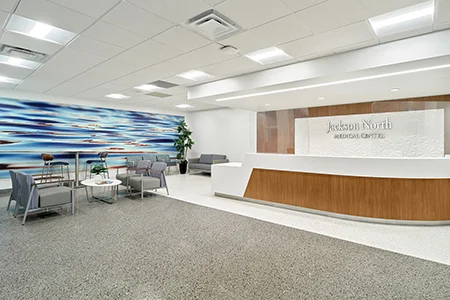
Jackson North Medical Center Pharmacy Residency Program
Adult Internal Medicine I
Monica D. Aleman, PharmD, BCPS
Education: Nova Southeastern University
Residency: Palmetto General Hospital
Critical Care
Gina Riggi, PharmD, BCPS, BCCCP
Education: Nova Southeastern University
Residency Training: Tampa General Hospital and Jackson Memorial Hospital (PGY2 Critical Care)
Emergency Medicine
Arya Cader, PharmD, CPh, BCPS, BCACP, BCCCP, BCIDP, BCEMP, DPLA
Education: University of Florida
Residency: Lee Health
Infectious Diseases
Veronica Salazar, PharmD, BCIDP
Education: Nova Southeastern University
Residency: North Florida/South Georgia VA Medical center
Administrative Leadership-Clinical
Caroline Taazieh, PharmD, BCPS, BCCCP, BCIDP, BCCP
Education: Nova Southeastern University
Adult Internal Medicine II
Mariana Martin Guillen, PharmD, BCPS
Education: Nova Southeastern University
Residency Training: West Kendall Baptist Hospital
Controlled Substances Monitoring and Diversion Prevention and Healthcare Quality and Risk Management-Medication Safety
Luis Alfonso, PharmD, MBA, CPPS, CPHQ, CPHRM
Director of Pharmacy, Jackson North Medical Center
Education: Nova-Southeastern University
Medication Use Safety
Julieth Formosa, PharmD, BCPS, CPh
Medication Safety Officer
Education: Palm Beach Atlantic University
Residency: Cleveland Clinic
Leadership- Hospital Healthcare Systems
Venessa Goodnow, PharmD, MBA, FASHP, FFSHP, CPh
AVP & Chief Pharmacy Officer
Education: Nova-Southeastern University
Residency: New England Medical Center
PGY1 Pharmacy Residency Program Overview
Jackson North Medical Center is a 382-bed hospital located in North Miami Beach, serving the North Miami-Dade and South Broward regions. It is one of Jackson Health System’s four full-service hospitals. The PGY1 pharmacy residency program at Jackson North Medical Center is a one-year program designed to build on Doctor of Pharmacy education and outcomes to develop pharmacist practitioners with knowledge, skills, and abilities as defined in the educational competency areas, goals, and objectives. Residents who complete the PGY1 pharmacy residency program will be skilled in diverse patient care, practice management, leadership, and education. They will also be prepared to provide patient care, seek board certification in pharmacotherapy, and pursue advanced education and training opportunities, including PGY2 residencies.
The PGY1 pharmacy residency program is a 52-week program where residents spend four to six weeks in each experience. There are seven core experiences and a choice of two elective experiences available in different areas of practice. Residents are involved in various departmental activities designed to refine the knowledge, skills, and attitudes needed to pursue optimal medication therapy outcomes. One pharmacy resident is accepted into the program each year.
Core Experiences
- Orientation and advanced technology (four weeks)
- Adult internal medicine I (six weeks)
- Adult internal medicine II (six weeks)
- Infectious diseases (six weeks)
- Critical care (six weeks)
- Emergency medicine (six weeks)
- Administrative Leadership – Clinical (five weeks)
Elective Experiences- choose two (four weeks)
- Medication use safety
- Leadership hospital healthcare systems
- Controlled substances monitoring and diversion prevention program
- Healthcare quality and risk management-medication safety
- Infectious diseases II
- Critical care II
- Emergency medicine II
- Administrative leadership operations
Per ASHP, no more than one-third of the 12 months deal with a specific disease state and population
Longitudinal Experiences
- Pharmacy staffing
- Research Longitudinal (five weeks distributed throughout the year)
- Teaching and Preceptorship
- Teaching Certificate Program
- Anticoagulation Longitudinal
Pharmacademic® is used to evaluate residents, experiences, and preceptors.
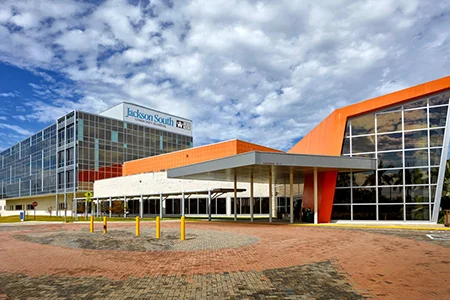
Jackson South Medical Center Pharmacy Residency Program
ADULT ACUTE CARE
Critical Care
Chay Reid, PharmD, BCPS, BCCCP
Education: Nova Southeastern University
Residency Training: Jackson Memorial Hospital
Internal Medicine I
Letitia Cooper, PharmD, CPh, BCSCP
Education: Florida A&M University
Internal Medicine II
Deandra Romero, PharmD, BCPS
Education: Nova Southeastern University
Residency Training: West Kendall Baptist Hospital
Emergency Medicine
Razia Ally, PharmD
Education: Palm Beach Atlantic University
Infectious Diseases
Brianna North, PharmD, BCIDP
Education: University of South Florida
Residency Training: AdventHealth Orlando (PGY1) and Jackson Memorial Hospital (PGY2 Infectious Diseases)
Renata Boatwright, PharmD, ASP-SIDP
Education: University of Georgia
LEADERSHIP ROTATIONS
Venessa Goodnow, PharmD, MBA, FASHP, FFSHP, CPh
AVP & Chief Pharmacy Officer
Education: Nova Southeastern University
Residency Training: New England Medical Center (Pharmacy Practice)
Ashley Lipscomb, PharmD, MBA, CPh
Director of Pharmacy – Jackson South Medical Center
Education: Florida A&M University
Residency Training: Mayo Clinic (PGY1) and Jackson Memorial Hospital (PGY2)
Elham Hendi, PharmD
Pharmacy Operations Manager
Education: Nova Southeastern University
Ennie Cano, PharmD, BCPS, BCCCP
Director of Pharmacy – Clinical Services
Education: Duquesne University
Residency Training: Jackson Memorial Hospital (PGY1 and PGY2 Critical Care)
Soraida Rivera, PharmD
Manager of Inventory Control
Education: Nova Southeastern University
Julieth Formosa, PharmD, BCPS, CPh
Medication Safety Officer
Education: Palm Beach Atlantic
Residency Training: Cleveland Clinic
AMBULATORY CARE ROTATIONS
Community Pharmacy/Ambulatory Care
Sergio Bravo, PharmD
Education: Lake Erie College of Osteopathic Medicine
PEDIATRIC ROTATIONS
Pediatrics
Joicy Estevez, PharmD, BCPPS
Pediatric Hematology Oncology/Pediatric Bone Marrow Transplant
Education: Nova Southeastern University
Nicole McElroy, PharmD, BCPPS, DABAT
Pediatric Emergency Medicine
Education: Ohio Northern University
Residency Training: Children’s Hospital of Philadelphia (PGY1 & PGY2 Pediatric Pharmacy)
Kathy Nixon, PharmD, BCPPS
Pediatric Critical Care/Pediatric Cardiac Critical Care
Education: University of Florida
Brianna North, PharmD, BCIDP
Pediatric Solid Organ Transplant
Education: University of South Florida
Residency Training: AdventHealth Orlando (PGY1) and Jackson Memorial Hospital (PGY2 Infectious Diseases)
Alexandra Ramsey, PharmD, BCPPS
Neonatal Critical Care
Education: University of Florida
Residency Training: Memorial Hospital West (PGY1); Joe DiMaggio Children’ Hospital (PGY2 Pediatric Pharmacy)
Nancy Simon, PharmD
Neonatal Critical Care
Education: Nova Southeastern University
Residency Training: Miami Veteran’s Administration Medical Center (PGY1)
PGY1 Pharmacy Residency Program
PGY1 Pharmacy Residency Program
Jackson South Medical Center is a 262-bed hospital located in Miami, serving the South Miami-Dade region. It is one of Jackson Health System’s four full-service hospitals. The PGY1 pharmacy residency program at Jackson South Medical Center is a one-year program designed to build on Doctor of Pharmacy education and outcomes to develop pharmacist practitioners with knowledge, skills, and abilities as defined in the educational competency areas, goals, and objectives. Residents who complete the PGY1 residency program will be skilled in diverse patient care, practice management, leadership, and education. They will also be prepared to provide patient care, seek board certification in pharmacotherapy, and pursue advanced education and training opportunities, including PGY2 residencies.
Residents spend at least four weeks in each rotation. Nine required (including orientation) and five elective rotations are available in different areas of practice. Residents are involved in various departmental activities designed to refine the knowledge, skills, and attitudes needed to pursue optimal medication therapy outcomes. One pharmacy resident is accepted into the program each year.
Required Rotations (four to six weeks)
- Orientation and advanced technology
- Adult internal medicine I
- Adult internal medicine II
- Infectious diseases I
- Critical care I
- Emergency medicine I
- Advanced inpatient hospital operations/pharmacy administration I
- Medication safety
- Community pharmacy
Elective Rotations (four weeks)
- Antimicrobial stewardship
- Trauma
- Neurology
- Cardiology
- Pediatric critical care
Per ASHP, no more than one-third of the 12 months deal with a specific disease state and population
Longitudinal Experiences
- Pharmacy staffing
- Research project
- Medication utilization evaluation
- Teaching and education
Requirements
STAFFING REQUIREMENTS
PGY1 residents are required to staff every other weekend Saturday and Sunday, eight-hour shifts each day. PGY2 residents are required to staff in the pharmacy satellites every third weekend and as needed. Staffing opportunities are available in central pharmacy, critical care, IV room, and pediatric satellites.
Board Exam Requirements
PGY1 applicants must possess a PharmD degree from an ACPE-accredited college of pharmacy and be eligible for licensure in the state of Florida. PGY2 applicants must possess a PharmD degree from an ACPE-accredited college of pharmacy, be eligible for licensure in the state of Florida, and complete a PGY1 residency or equivalent experience.
Failure to obtain licensure within the first 90 days of the start date or after the second attempt if permission granted by the RAC committee may result in dismissal from the program.
PGY2 applicants must possess a PharmD degree from an ACPE-accredited college of pharmacy, be eligible for licensure in the state of Florida, and complete a PGY1 residency or equivalent experience. Residents must submit PGY1 residency certificate no later than September 20. Failure to obtain licensure by September 20 may result in dismissal from the program.
Educational & Other Experience
Question and Answer project for pharmacy staff
Presentations
- Select topic to pharmacists CE: 0.5 hour
- CE presentation to local pharmacy association: 1 hour
Research
Residency Project
- IRB submission
- Poster presented during the ASHP Midyear Clinical Meeting (travel reimbursement provided)
- Results presented at the Florida Residency Conference (travel reimbursement provided)
- Preparation of a manuscript suitable for publication
Medication Utilization Evaluation
- Present results to appropriate subcommittee and the P&T Committee
Formulary Review
- Present results to the Formulary Subcommittee
Various Administrative Projects
On-Call
Anticoagulation Stewardship Program – PGY1 program at Jackson Memorial Hospital
Antimicrobial Stewardship Program – Infectious Diseases PGY2 and other select PGY2 programs
Requirements
STAFFING REQUIREMENTS
PGY1 residents are required to staff every other weekend Saturday and Sunday, eight-hour shifts each day. PGY2 residents are required to staff in the pharmacy satellites every third weekend and as needed. Staffing opportunities are available in central pharmacy, critical care, IV room, and pediatric satellites.
Board Exam Requirements
PGY1 applicants must possess a PharmD degree from an ACPE-accredited college of pharmacy and be eligible for licensure in the state of Florida. PGY2 applicants must possess a PharmD degree from an ACPE-accredited college of pharmacy, be eligible for licensure in the state of Florida, and complete a PGY1 residency or equivalent experience.
Failure to obtain licensure within the first 90 days of the start date or after the second attempt if permission granted by the RAC committee may result in dismissal from the program.
PGY2 applicants must possess a PharmD degree from an ACPE-accredited college of pharmacy, be eligible for licensure in the state of Florida, and complete a PGY1 residency or equivalent experience. Residents must submit PGY1 residency certificate no later than September 20. Failure to obtain licensure by September 20 may result in dismissal from the program.
Educational & Other Experience
Question and Answer project for pharmacy staff
Presentations
- Select topic to pharmacists CE: 0.5 hour
- CE presentation to local pharmacy association: 1 hour
Research
Residency Project
- IRB submission
- Poster presented during the ASHP Midyear Clinical Meeting (travel reimbursement provided)
- Results presented at the Florida Residency Conference (travel reimbursement provided)
- Preparation of a manuscript suitable for publication
Medication Utilization Evaluation
- Present results to appropriate subcommittee and the P&T Committee
Formulary Review
- Present results to the Formulary Subcommittee
Various Administrative Projects
On-Call
Anticoagulation Stewardship Program – PGY1 program at Jackson Memorial Hospital
Antimicrobial Stewardship Program – Infectious Diseases PGY2 and other select PGY2 programs